Capillary Sample Intake
Hydrophilic surfaces and channel geometry draw the small blood sample into the measurement chamber.
BGM Adhesive Components
Designed for High-Accuracy Blood Glucose Test Strips
Precision-engineered adhesive components manufactured through advanced die cutting, multilayer lamination, and cleanroom production to ensure reliable sample transfer and consistent diagnostic performance.
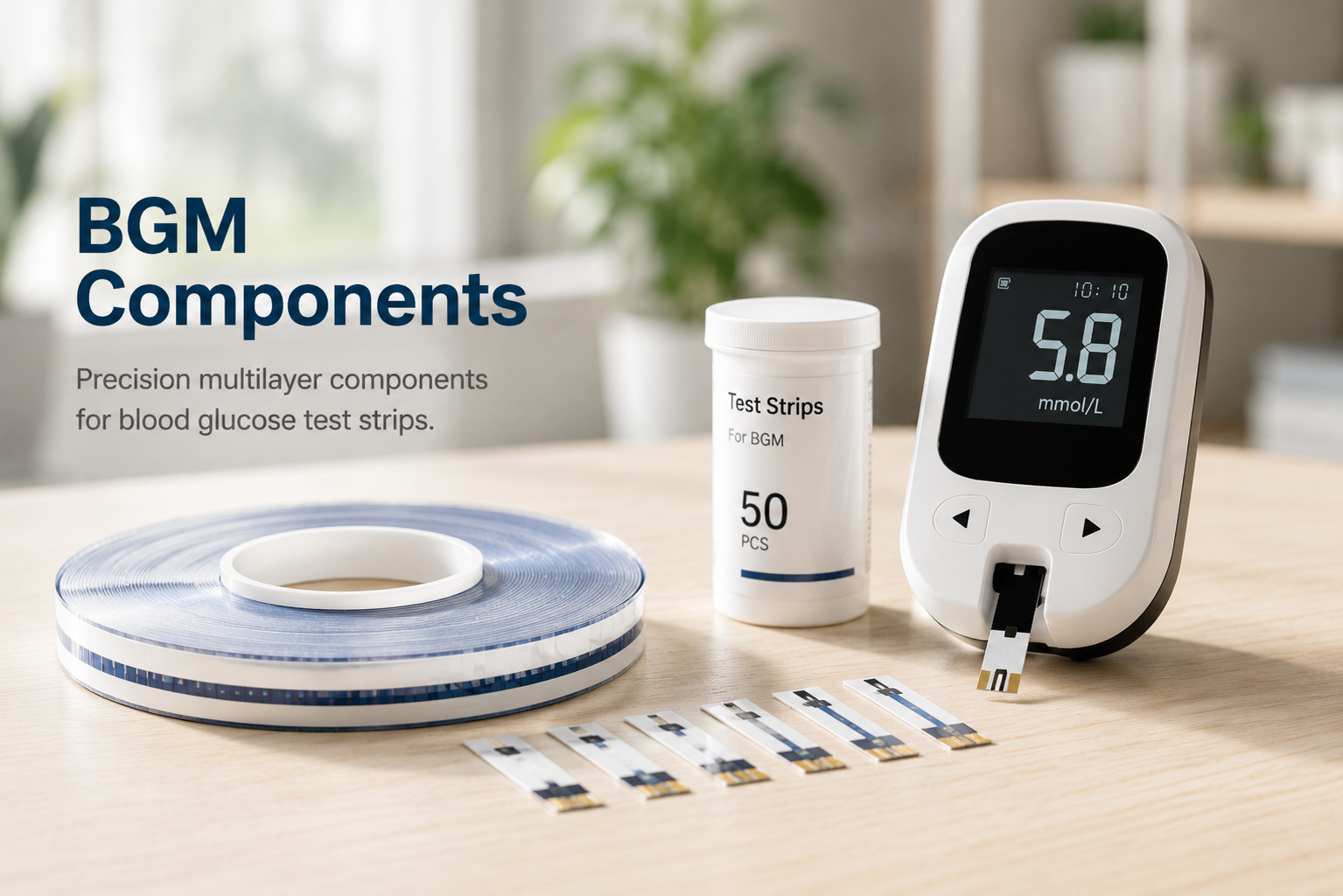
How the Strip Works
A blood glucose test strip is a single-use in-vitro diagnostic component. A small blood sample travels through a capillary channel to the reagent and electrode area, where the compatible meter reads the resulting electrochemical signal.
Reliable performance depends on hydrophilic film, spacer tape, adhesive layers, electrodes, and reagent chemistry remaining clean and accurately aligned.
Hydrophilic surfaces and channel geometry draw the small blood sample into the measurement chamber.
Spacer thickness and channel dimensions define chamber height and repeatable sample presentation.
The reagent response is converted by the compatible meter into a numerical glucose result.
Stable bonding and registration seal the fluid path and protect the functional layers.
Functional Adhesive System
Diagnostic adhesives must bond dissimilar layers without disrupting reagents, sample flow, or measurement. Material compatibility and precision converting therefore need to be evaluated together.
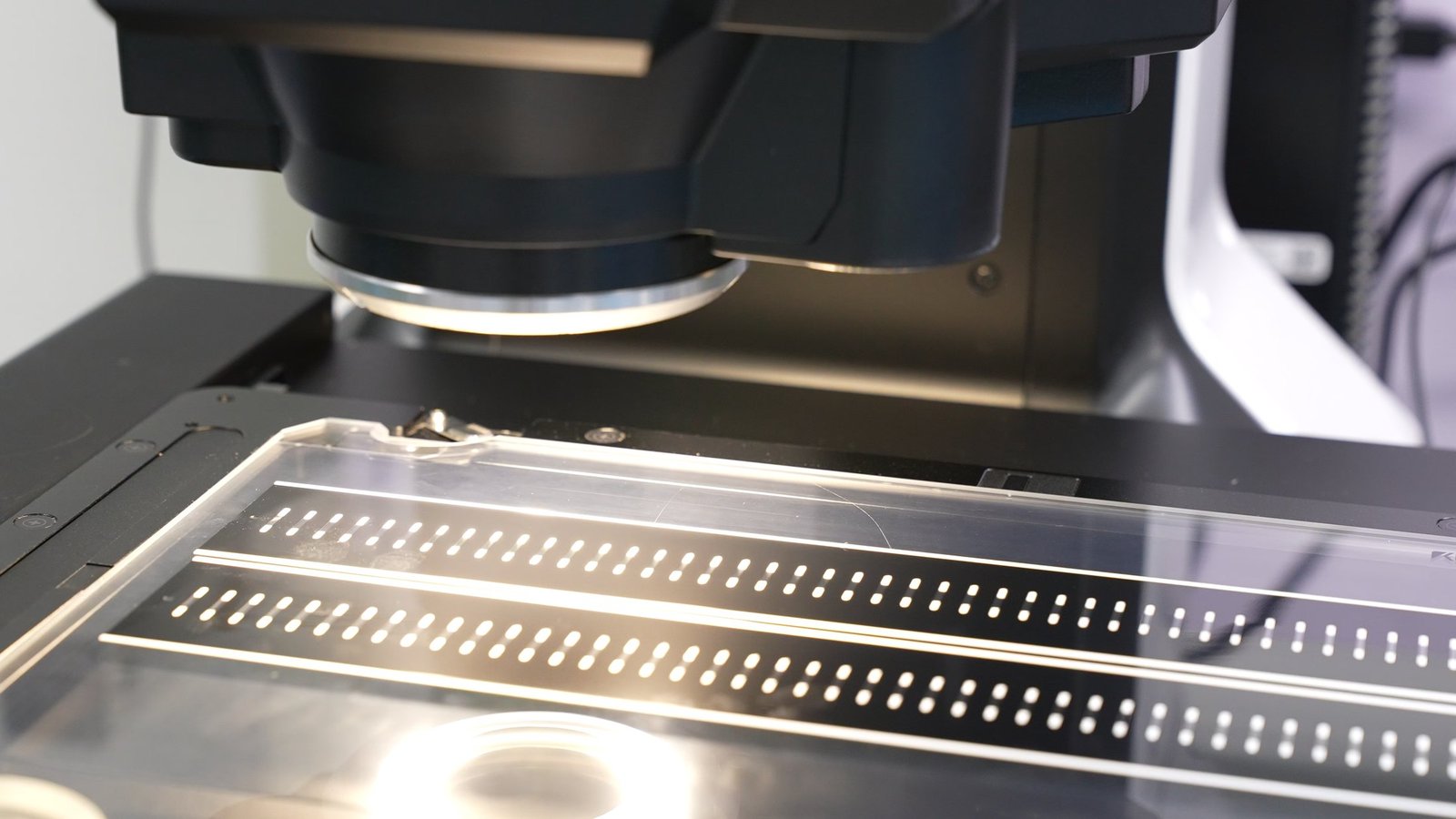
Channel GeometryDie-cut width and spacer thickness control chamber volume and capillary flow.
Chemical CompatibilityAdhesives and liners must not interfere with reagents or measurement.
Coating UniformityStable coating prevents voids, ooze, and inconsistent sealing.
Clean RegistrationClean edges and precise alignment protect the fluid path.
Lot ConsistencyControlled materials support repeatable high-volume assembly.
Need Engineering Support?
Material Structure
Leetoya manufactures the three core adhesive components that control blood sample transport and capillary channel geometry in blood glucose test strips. These precision-converted materials are integrated with customer-supplied electrodes and substrates during final strip assembly.
Precision lamination and die cutting ensure accurate layer registration and dimensional consistency.
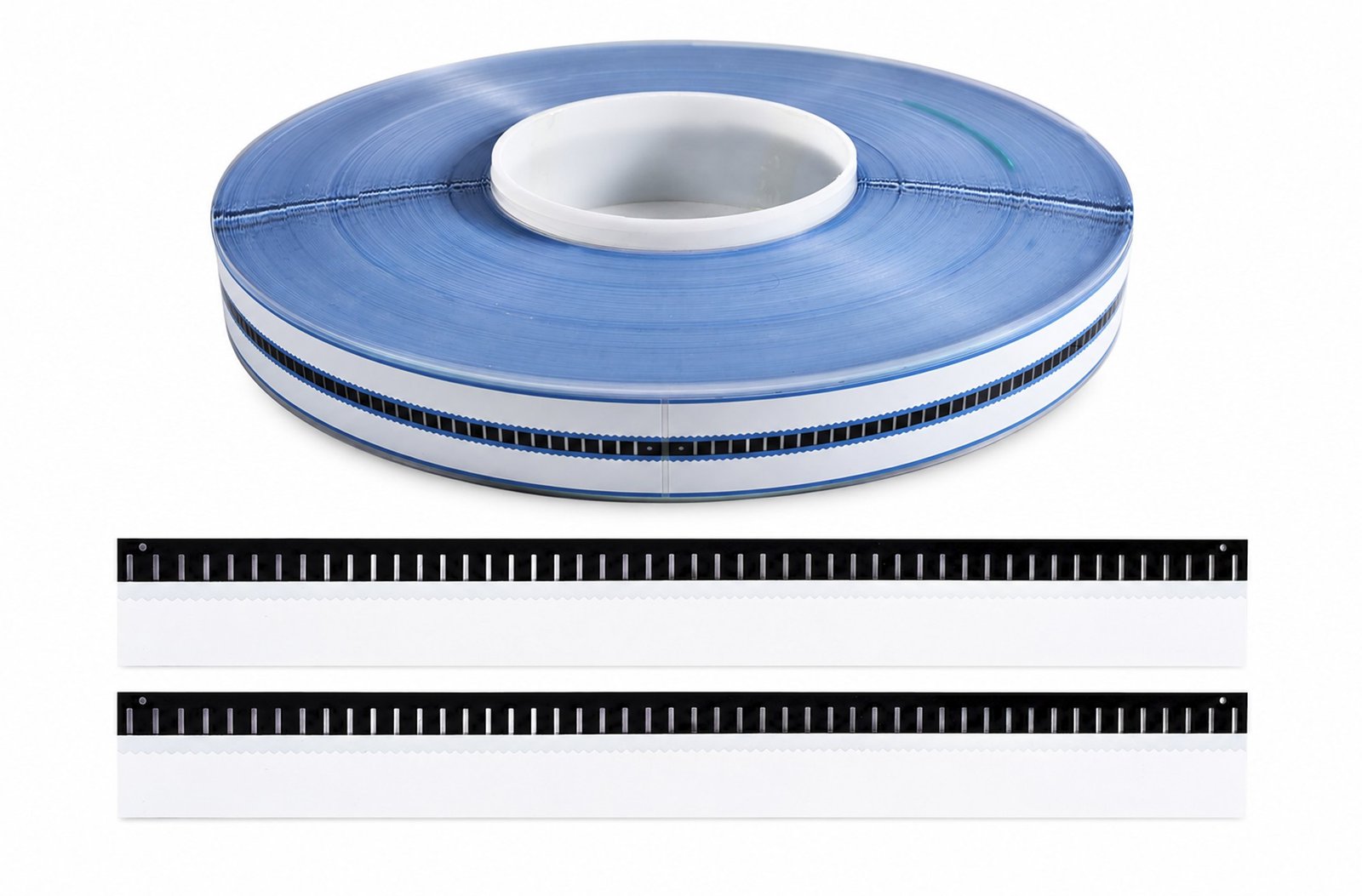
Our Component Scope
Cover TapeProtective top layer with a precision blood inlet opening.
Spacer TapeDefines the capillary channel and controls channel height for consistent sample flow.
Hydrophilic FilmPromotes rapid and uniform blood transport through the capillary channel.
Why Leetoya
Engineering support for every stage of your project.
Supporting design reviews, material selection, tolerance optimization, and manufacturability analysis before tooling.
Flexible development of multilayer adhesive structures tailored to different strip designs and performance requirements.
From prototype samples to commercial production using validated manufacturing processes.
Controlled converting processes help maintain repeatable dimensional accuracy and manufacturing consistency.
Engineering teams work closely with customers throughout development, validation, and production.
Supporting customers through product lifecycle changes, capacity expansion, and continuous process improvement.
Engineering Support
Every medical adhesive project follows a structured engineering process—from drawing review and prototype development to validation and commercial manufacturing.
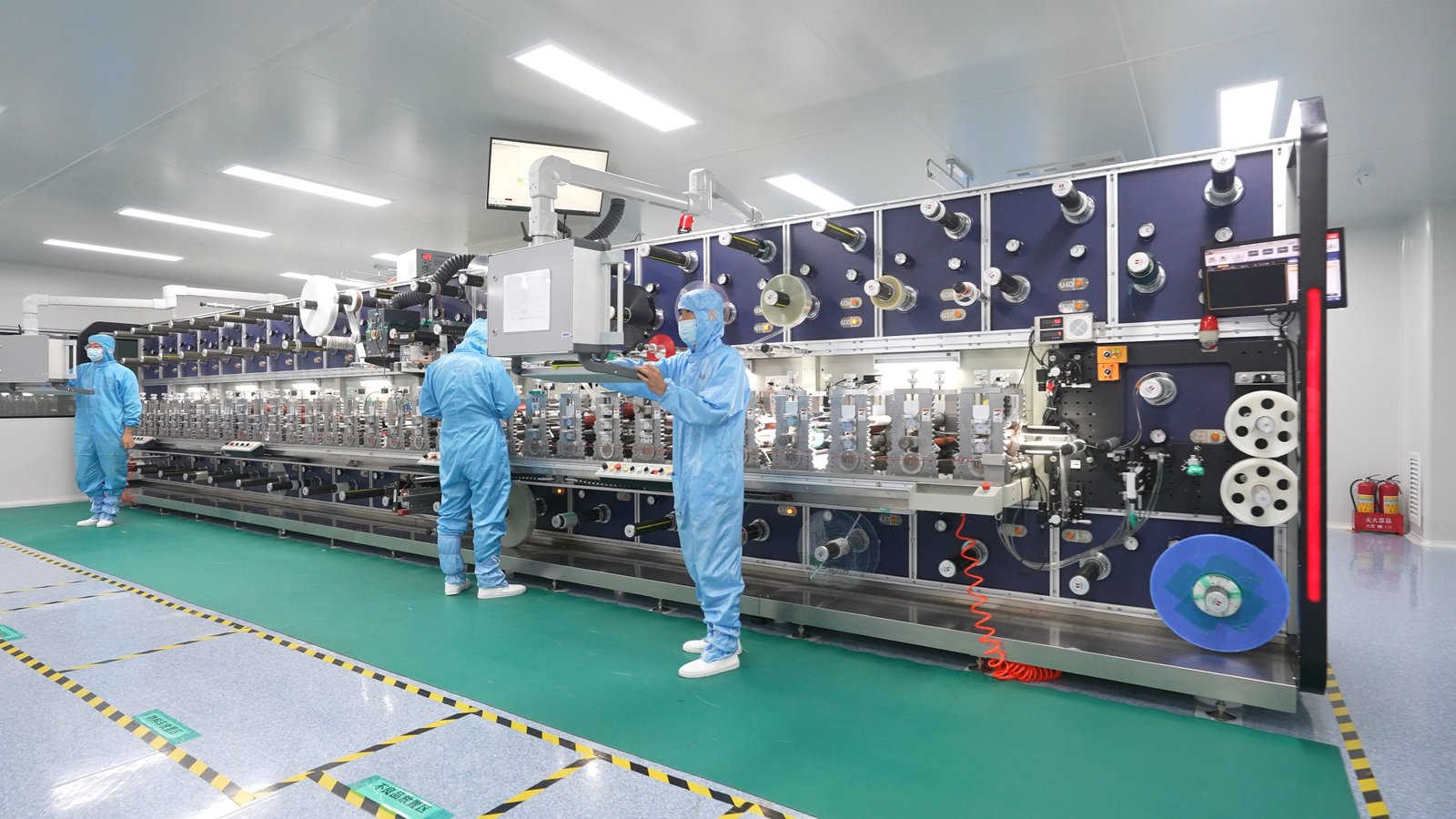
Review drawings, functional requirements, tolerances, materials, and assembly conditions before tooling begins.
Evaluate adhesive constructions, layer stack-ups, and material compatibility for the intended application.
Produce engineering samples for functional evaluation and early design verification.
Optimize manufacturability, registration accuracy, and production processes before scale-up.
Transfer validated designs into controlled cleanroom production with stable quality and full traceability.
Start Your BGM Development Project
Share your strip design, material stack, or project requirements, and our engineering team will help evaluate manufacturability, layer registration, channel geometry, and process optimization before tooling.