Drawing Review
Review geometry, critical dimensions, and application requirements.
Rapid Prototyping
From concept validation to production readiness.
What Is Rapid Prototyping
Rapid prototyping supports the development of medical adhesive components, wearable medical devices, diagnostic consumables, and precision die-cut structures by validating materials, product designs, and manufacturing feasibility before commercial production.
Leetoya combines engineering review, material expertise, and precision converting technologies to help customers reduce development risk and prepare products for scalable manufacturing.
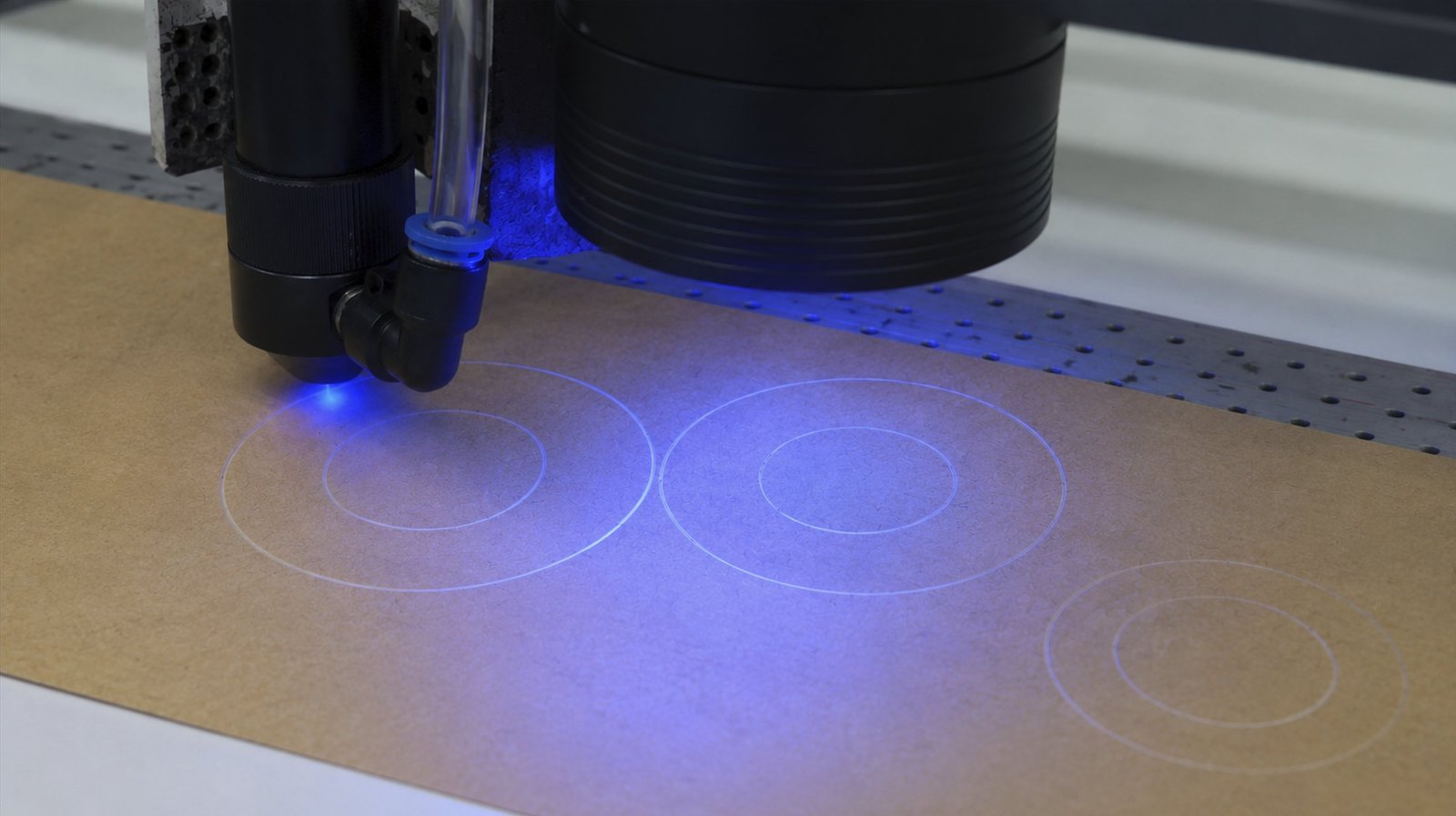
Engineering Prototype Workflow
Every prototype is developed with future manufacturing in mind, helping reduce engineering changes before commercial production.
Review geometry, critical dimensions, and application requirements.
Evaluate material compatibility, liners, adhesives, and functional layers.
Select laser or flatbed cutting for the validation stage.
Produce clean, consistent prototype parts for evaluation.
Assess dimensions, adhesive behavior, assembly, and application.
Confirm the design and prepare the project for tooling and scale-up.
Choosing the Right Prototype Method
Tool-free processing for fast early-stage iteration.
Flexible tooling for validation and production-ready evaluation.
Typical Prototype Applications
CGM adhesive patches, sensor fixation tapes, overpatch structures, and blood glucose test strip adhesive components.
ECG adhesive components, EEG monitoring patches, temperature-monitoring devices, and biosensor fixation structures.
Skin-contact tapes, medical fixation products, device-bonding components, foam components, and spacer constructions.
Multi-layer structures, microfluidic components, diagnostic consumables, and functional adhesive assemblies.
Prototype formats can be supplied as individual samples, short production runs, engineering-validation lots, or pilot-production quantities depending on project requirements.
Why Rapid Prototyping Matters
Verify material selection, layer interaction, liner behavior, and bonding stability at the early design stage.
Evaluate tack, release characteristics, handling requirements, and application behavior before design freeze.
Assess part geometry, tolerance control, registration needs, edge quality, and presentation format.
Reduce engineering changes, shorten development timelines, and support smoother validation planning.
Frequently Asked Questions
For suitable projects, prototype samples can be delivered in as fast as 3 days after design and material requirements are confirmed.
Yes. Material selection can be reviewed against the application, layer construction, liner behavior, assembly method, and future manufacturing route.
Suitable projects can be prototyped within controlled cleanroom workflows when cleanliness requirements call for it.
Yes. Prototype development is planned around later process transfer, tooling, inspection, and commercial production.
Share drawings, dimensions, material preferences, application requirements, assembly method, validation stage, and target volume.
Yes. Manufacturability feedback can address geometry, material construction, tolerances, presentation format, and the intended production process.
Start Your Prototype Project
Share drawings, material requirements, application details, and target production volume. Our engineering team will recommend the most suitable prototyping solution.