Medical Slitting Explained
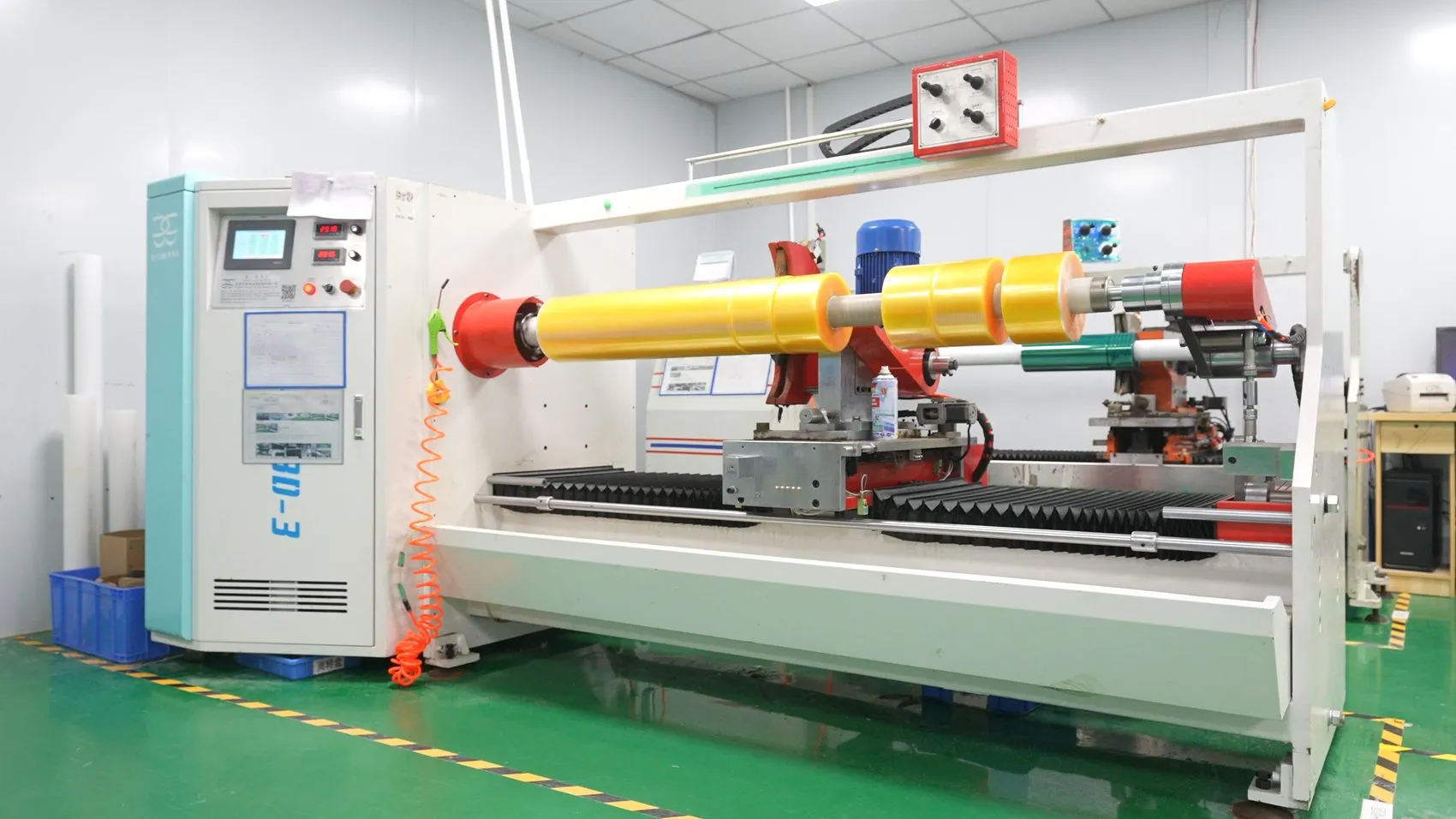
Manufacturing
Medical Slitting Explained
Understand how precision slitting converts wide master rolls into narrow, clean, stable rolls for medical tapes, films, liners, and diagnostics.
Slitting divides a wide roll into narrower rolls with controlled width, edge quality, winding tension, and roll geometry. For medical and diagnostic materials, these details affect later printing, lamination, die cutting, and automated assembly.
Slitting and Rewinding
The web is unwound, guided through cutting elements, separated into target widths, and rewound under controlled tension. The process must avoid telescoping, wrinkles, edge damage, and uneven hardness.
Material-Specific Behavior
Adhesive tapes, soft nonwovens, stretchable TPU, thin liners, foams, and diagnostic films respond differently to blade choice, speed, tension, and winding pressure.
Specifications to Share
Useful RFQ information includes master-roll dimensions, target slit width, width tolerance, finished-roll diameter, core size, winding direction, splice requirements, packaging, and cleanliness expectations.
Engineering Review
Key points to define for the project.
Related Resources
Continue exploring manufacturing.


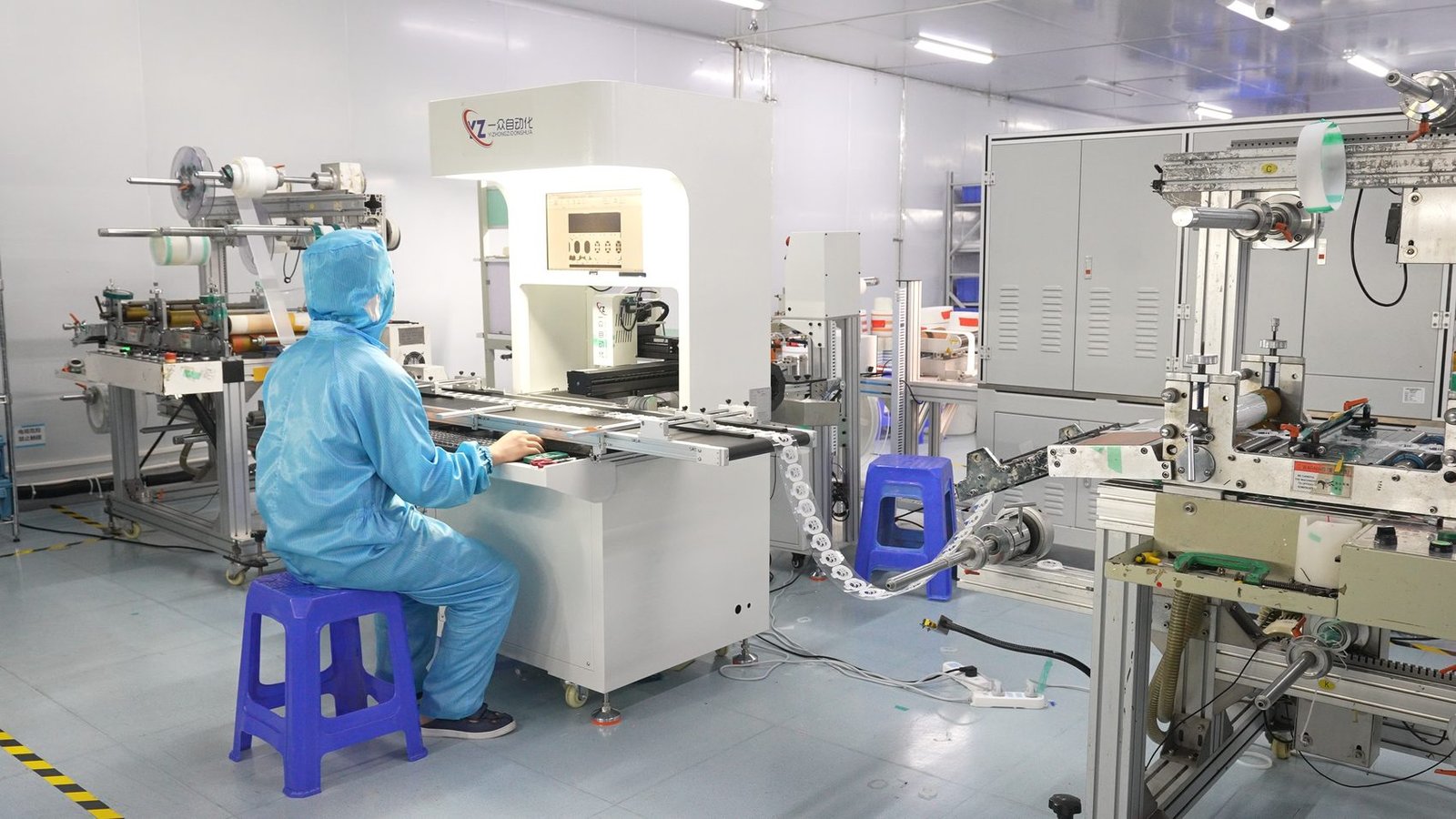
Engineering Support
Discuss your application with Leetoya.
Share drawings, material requirements, target performance, validation stage, and annual volume for an engineering review.