Why Breathability Matters in Wearable Medical Devices
Materials
Why Breathability Matters in Wearable Medical Devices
Learn how moisture-vapor transmission, carrier structure, adhesive coverage, and patch geometry influence comfort during wearable-device use.
Wearable devices remain in contact with the body for hours or days. A breathable construction can help manage moisture and heat at the skin interface, but breathability must be balanced with fixation, protection, and device requirements.
Moisture at the Skin Interface
Perspiration and trapped moisture can affect comfort and adhesion. Materials that allow controlled moisture-vapor movement may help the patch remain more comfortable during extended wear.
Material and Geometry Choices
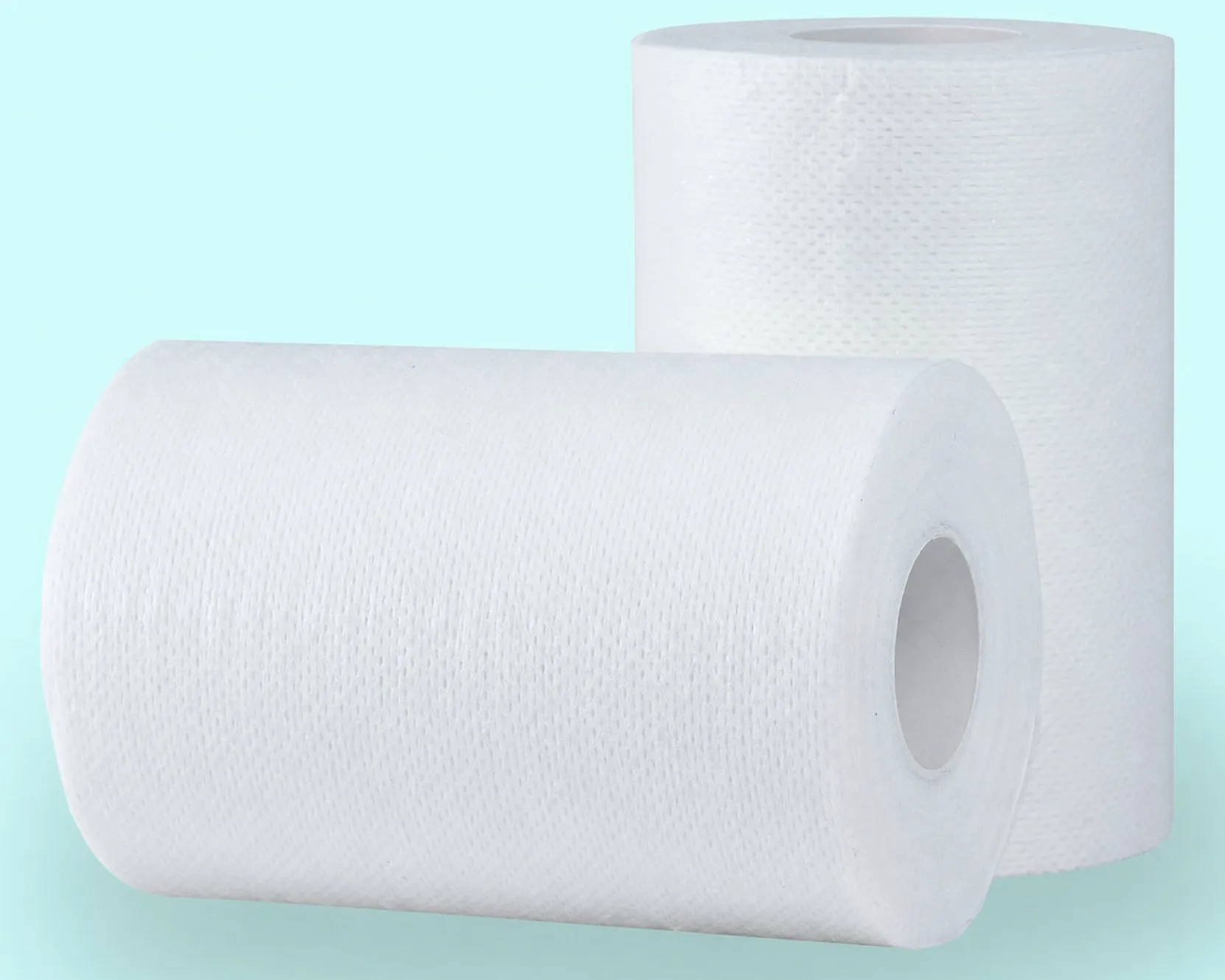
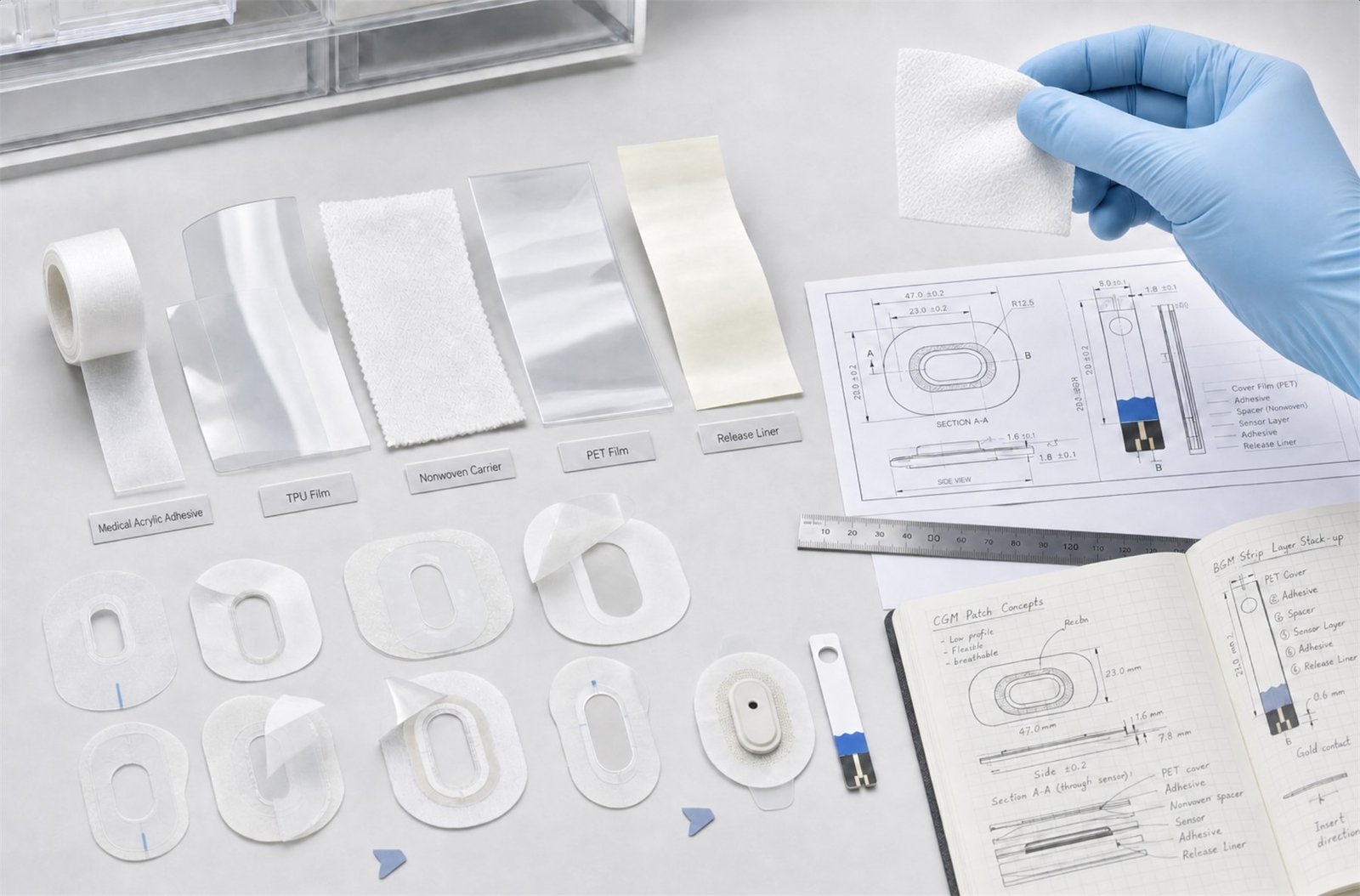
Nonwoven carriers, selected TPU films, adhesive patterning, windows, and patch area can influence the effective breathability of the assembly. Every opening or reduction in adhesive also changes mechanical performance.
Balance the Requirements
The optimal design balances vapor transmission with hold, water resistance, flexibility, device sealing, and manufacturing stability. Prototype testing should use the complete stack and intended wear conditions.
Engineering Review
Key points to define for the project.
Related Resources
Continue exploring materials.
Engineering Support
Discuss your application with Leetoya.
Share drawings, material requirements, target performance, validation stage, and annual volume for an engineering review.