Understanding the Structure of a BGM Test Strip
Medical Devices
Understanding the Structure of a BGM Test Strip
Review the functional layers of a blood glucose test strip and how spacer tapes, hydrophilic films, electrodes, and liners work together.
Although a BGM strip appears simple from the outside, it is a tightly registered multilayer assembly. Each layer has a defined job, and small dimensional changes can affect sample flow, handling, or final assembly.
Electrode and Sensor Substrate
The base substrate carries the electrode pattern and sensing chemistry supplied by the diagnostic manufacturer. Converted adhesive components must align with active areas without contaminating or obstructing them.
Spacer and Cover Layers
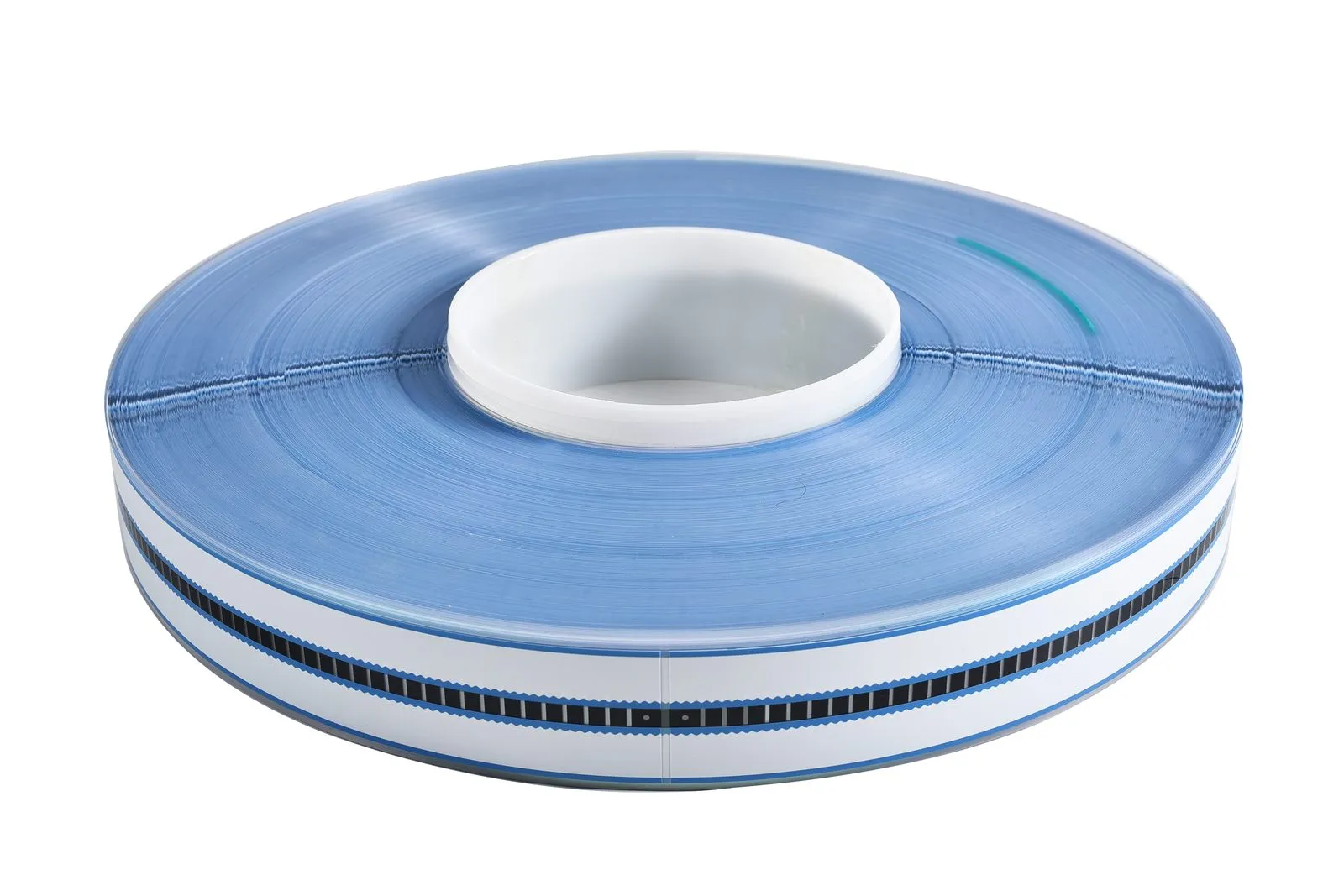
A precision-cut spacer creates the capillary channel, while a hydrophilic cover helps the sample enter and move through the channel. Their thickness, surface properties, and alignment are designed as a system.
Liners and Manufacturing Aids
Release liners protect adhesive surfaces and support stable web handling through die cutting, laminating, inspection, and final assembly. Liner release force must suit both converting and the customer's application process.
Engineering Review
Key points to define for the project.
Related Resources
Continue exploring medical devices.

Engineering Support
Discuss your application with Leetoya.
Share drawings, material requirements, target performance, validation stage, and annual volume for an engineering review.