What Materials Are Used in CGM Patches?
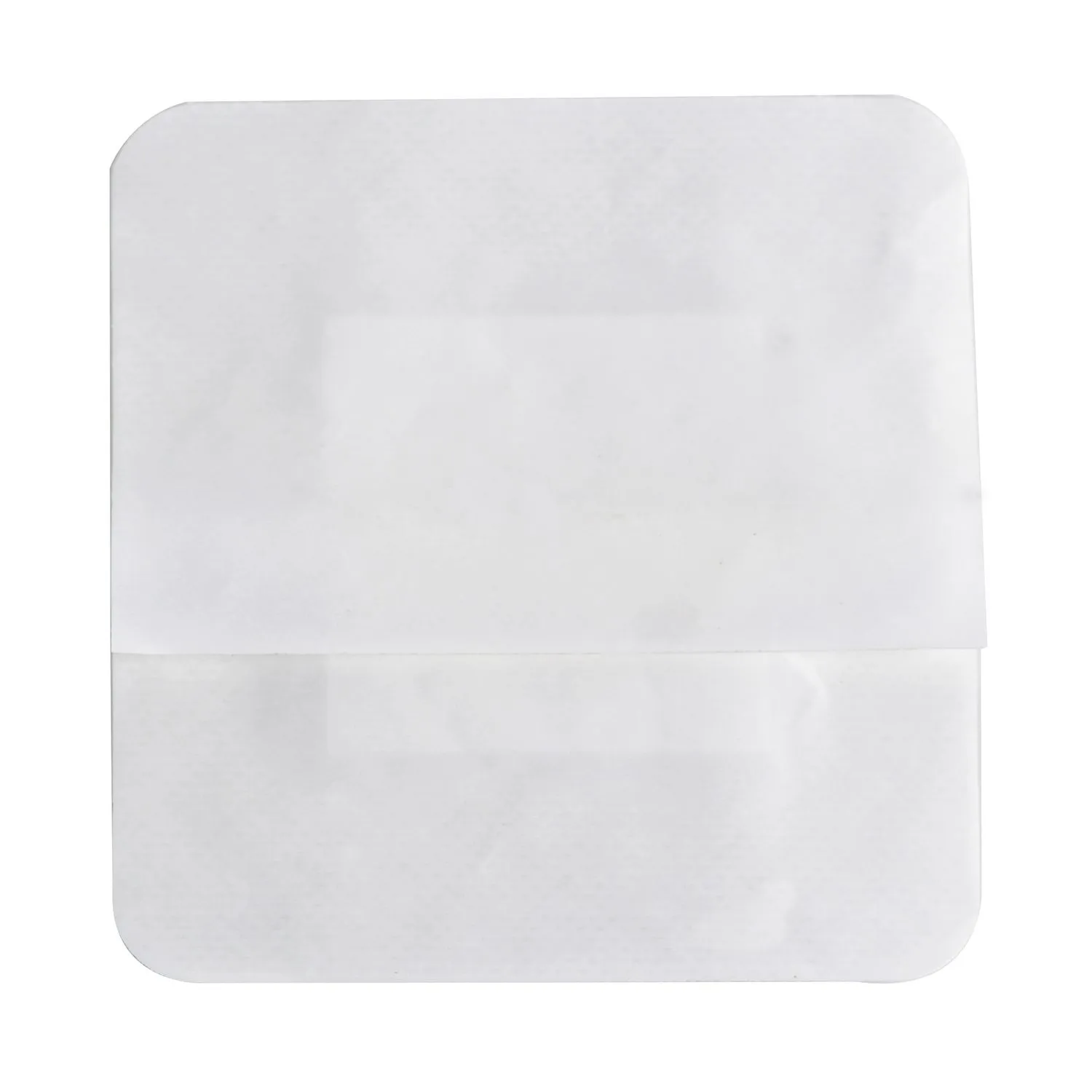
Medical Devices
What Materials Are Used in CGM Patches?
Explore the adhesives, nonwovens, TPU films, liners, and reinforcement layers commonly considered for custom CGM patch constructions.
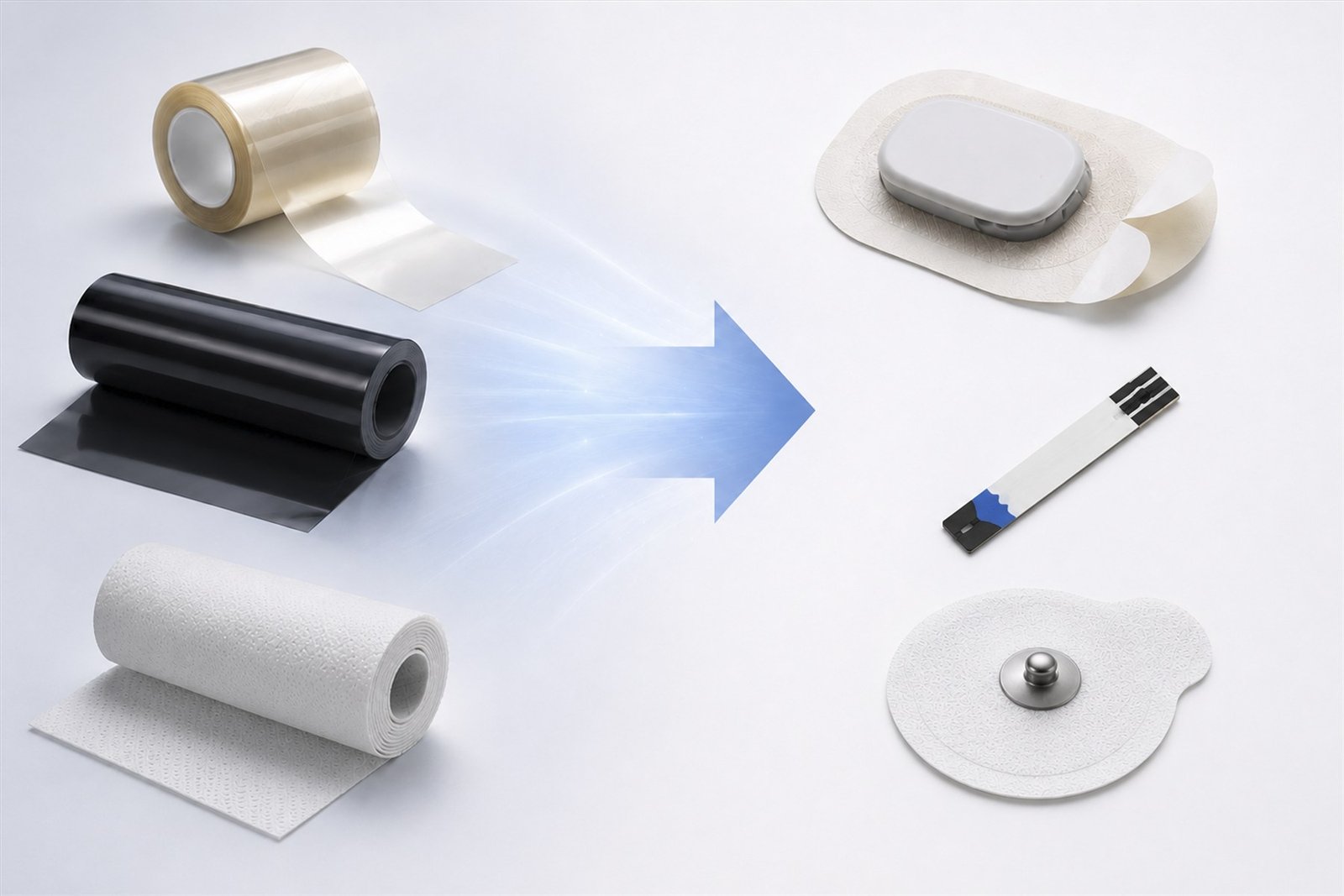
A CGM patch is not defined by one universal material. The final construction combines an adhesive platform, a carrier or backing, release liners, and sometimes reinforcement or device-mounting layers selected around the sensor design and intended wear conditions.
Skin-Contact Adhesives
Medical acrylic adhesives can support strong, durable fixation, while silicone platforms may provide gentler removal for sensitive skin. Wear duration, moisture, movement, and device weight guide evaluation.
Carriers and Backings
Nonwovens can provide softness and breathability. TPU films can add flexibility, conformability, and moisture resistance. Hybrid laminates may combine these characteristics for a specific application.
Liners and Device Interfaces
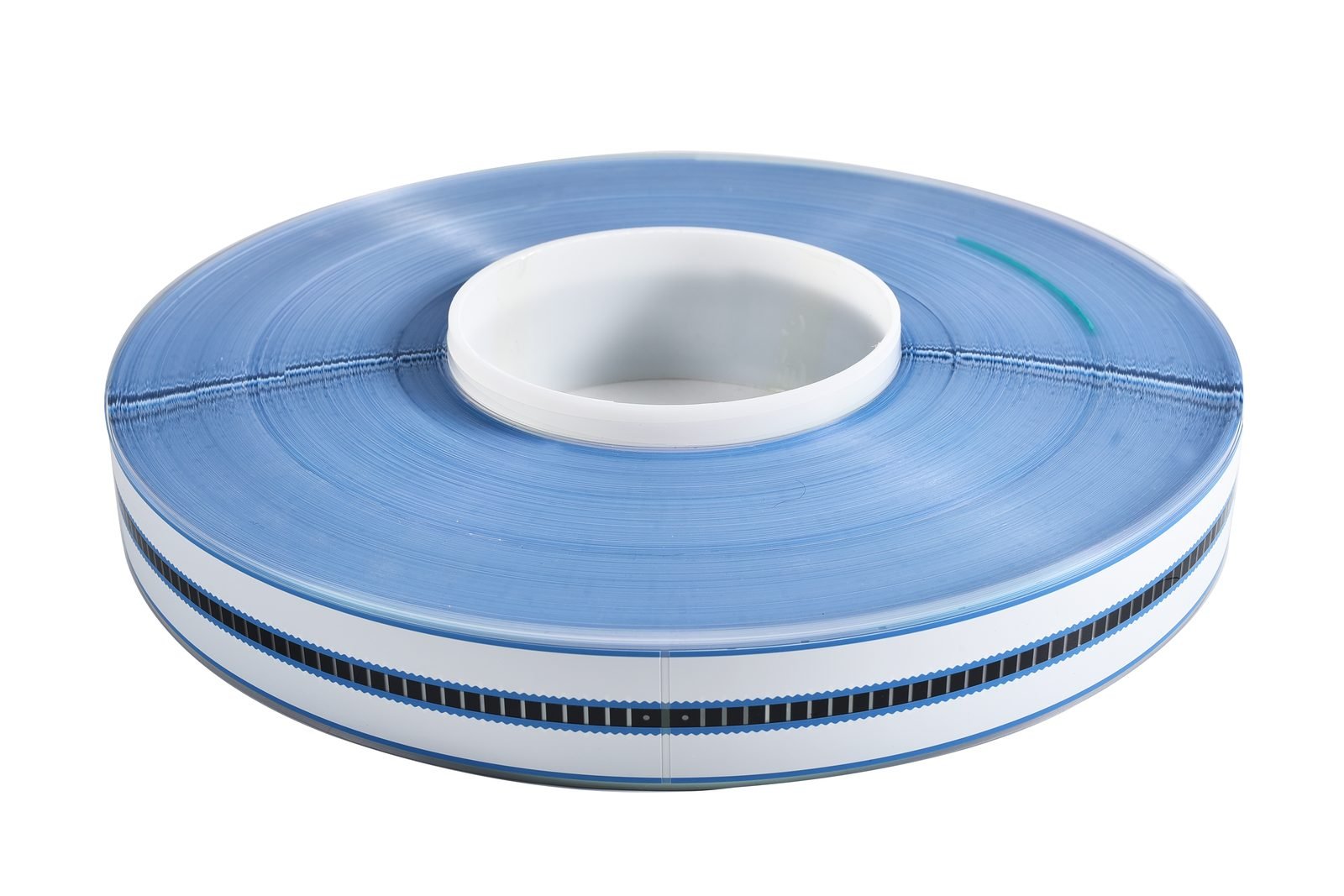
Release liners protect the adhesive and support application. Additional foam, film, or adhesive components may secure the sensor housing, create a window, reinforce an edge, or provide an overlay patch.
Engineering Review
Key points to define for the project.
Related Resources
Continue exploring medical devices.
Engineering Support
Discuss your application with Leetoya.
Share drawings, material requirements, target performance, validation stage, and annual volume for an engineering review.