High-Volume Capacity
Continuous roll-to-roll converting supports stable medium- to high-volume production.
Rotary Die Cutting
Continuous roll-to-roll converting for stable, repeatable, high-volume production.
Cost-Effective Roll-to-Roll Converting
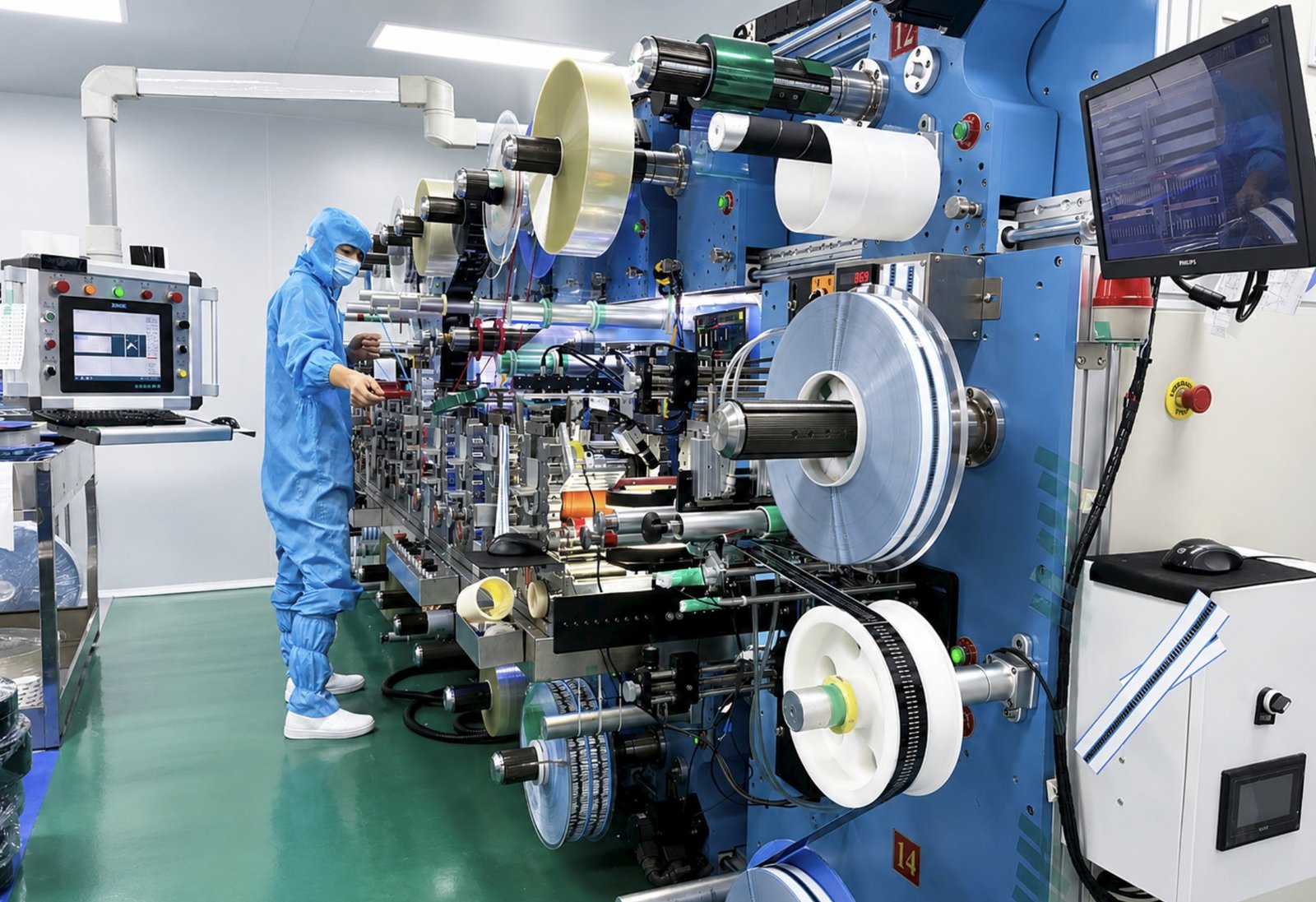
Once a product has completed engineering validation, the manufacturing priority shifts from design flexibility to production efficiency, repeatability, and cost control. Rotary die cutting is optimized for medium- to high-volume production using continuous roll materials, delivering stable quality with lower conversion cost.
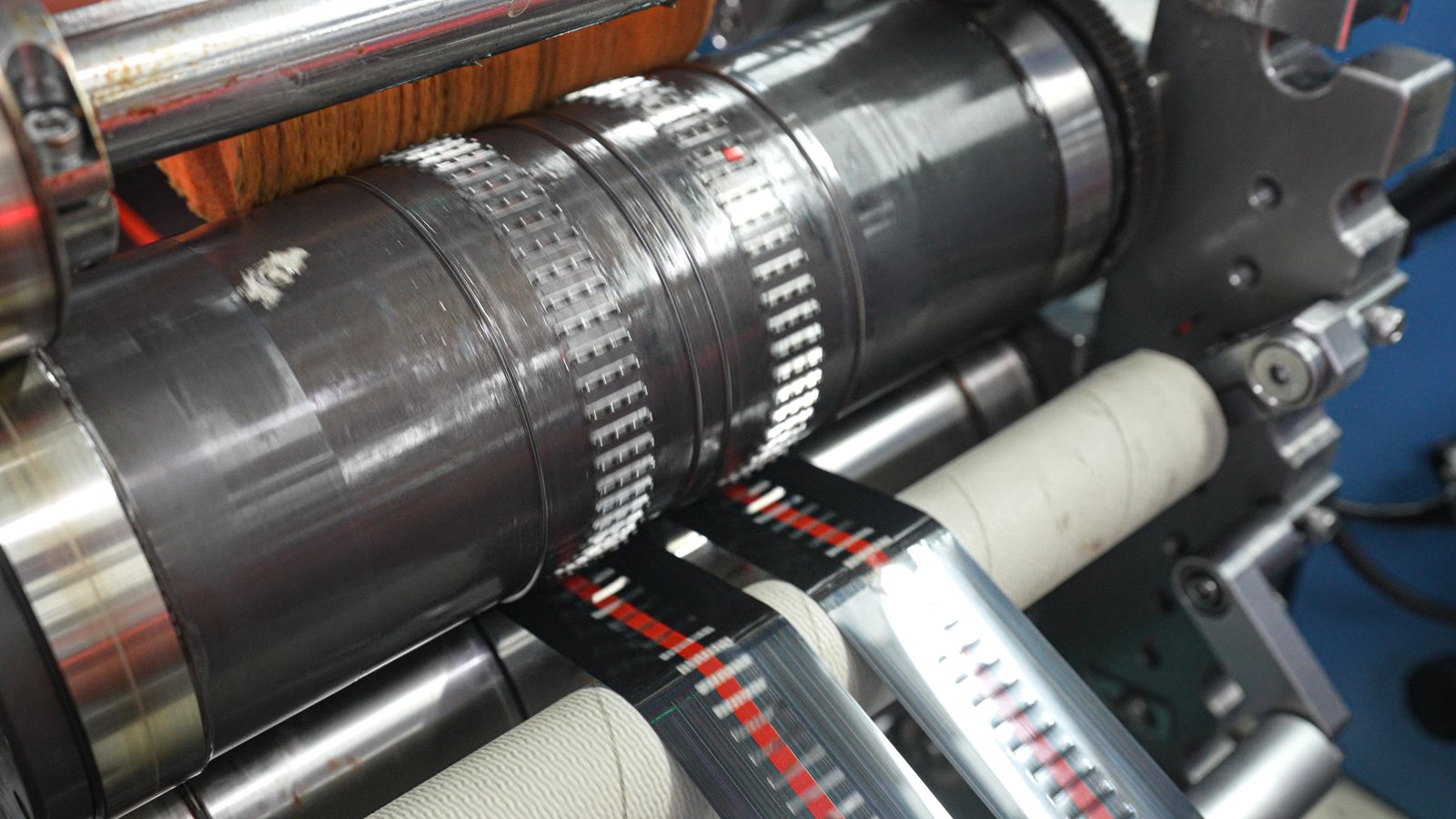
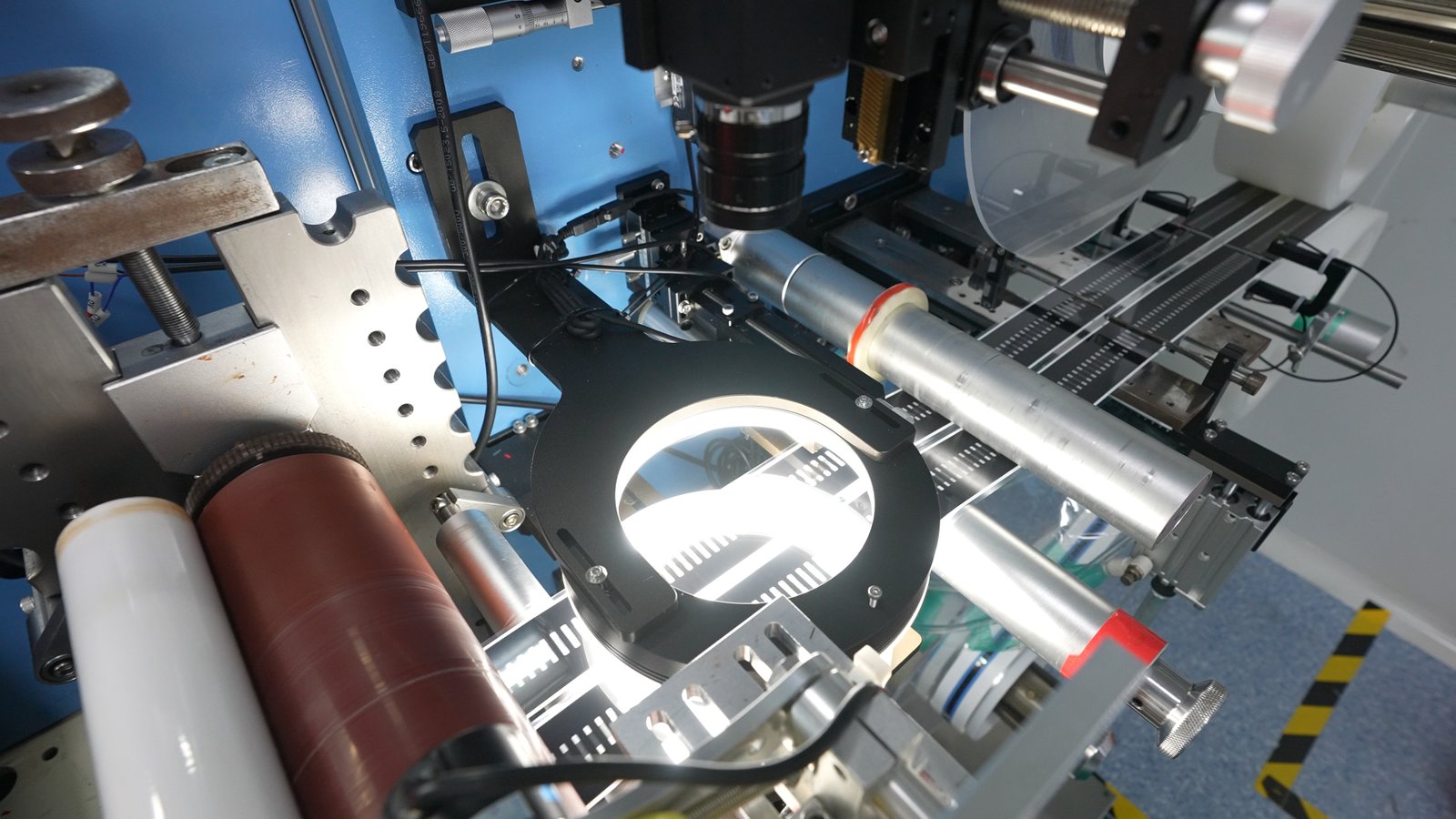
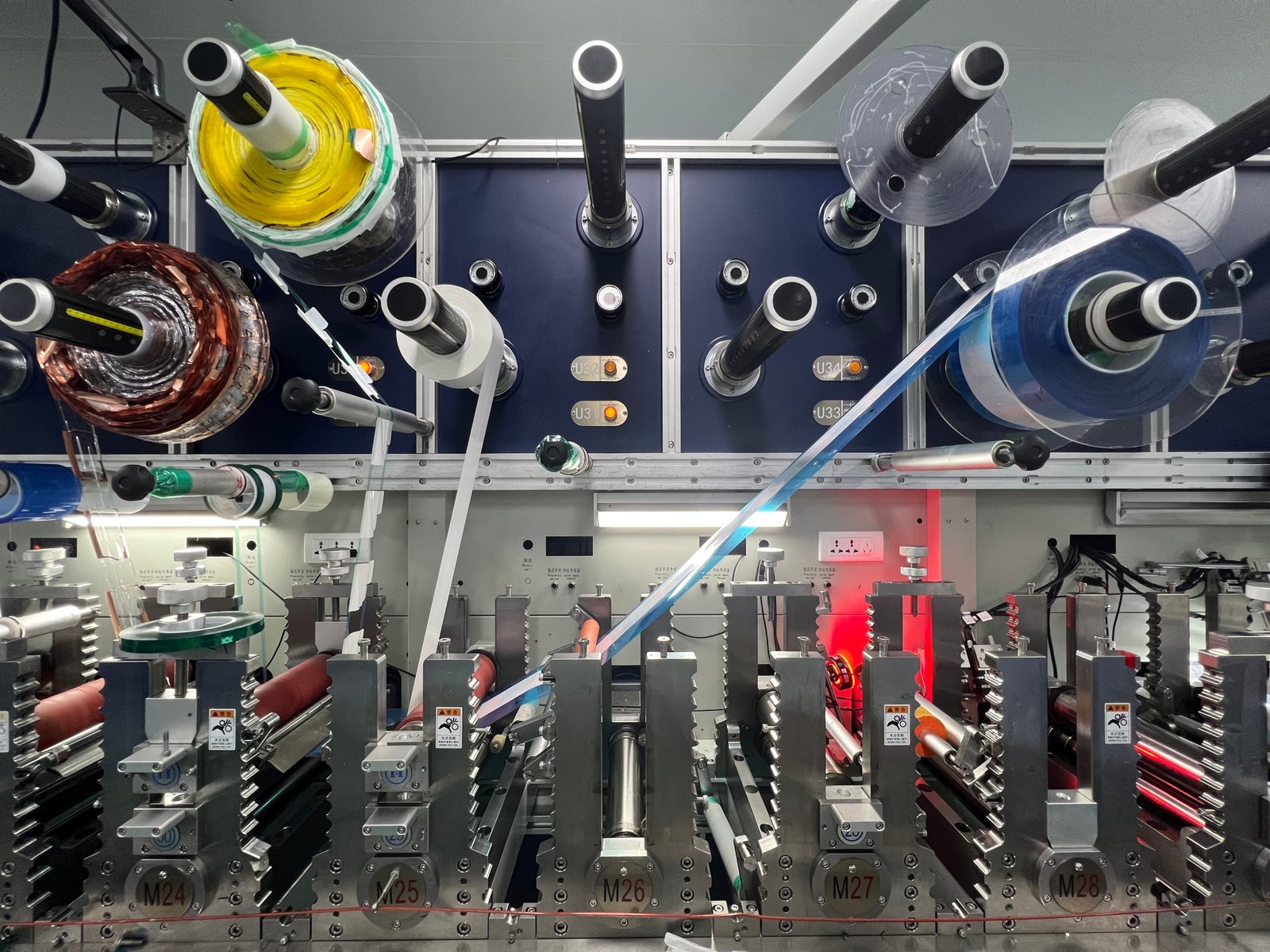
Leetoya integrates precision rotary tooling, synchronized web handling, multilayer lamination, inline AOI inspection, and automated downstream processes into a continuous production workflow. This enables consistent quality, high throughput, and reliable manufacturing for medical adhesive assemblies, diagnostic components, wearable devices, BGM materials, and other precision-converted products.
Why Choose Rotary Die Cutting
Integrated Production Platform
High-volume rotary converting supported by synchronized automation, inline quality control, and medical manufacturing expertise.
Designed for synchronized, high-volume roll-to-roll converting.
Supports continuous quality verification during production.
Stable web control for repeatable dimensional accuracy.
Class 10,000 (ISO Class 7) production environment.
40 million+ CGM patches and 5 billion+ BGM components annually.
Engineering support from validation through commercial manufacturing.
Process Comparison
Compare the strengths of flatbed and rotary converting based on part geometry, material construction, production volume, and design maturity.
Intricate contours, internal windows, cutouts, and custom geometries
Optimized for repeatable production designs
Thick foams, multilayer laminates, and complex stack-ups
Thin, flexible roll materials for continuous processing
Easily accommodates engineering revisions and custom development
Best suited for stable, validated product designs
Prototype, validation, pilot, and medium-volume production
Medium- to high-volume commercial manufacturing
High flexibility for evolving projects and material changes
Optimized for continuous long-run production
Precision-focused converting with maximum design flexibility
Maximum throughput, repeatability, and cost efficiency
Frequently Asked Questions
Continuous roll-to-roll processing improves throughput, cost, and long-run consistency.
Yes. Rotary lines can integrate laminating, kiss cutting, slitting, inspection, and rewinding.
Yes. It is widely used for CGM patches, BGM materials, wearables, and healthcare-monitoring products.
Rotary prioritizes high-volume efficiency; flatbed offers more flexibility for complex geometry and thick materials.
Yes. Many validated designs transition to rotary as commercial volume increases.
Commercial Scale-Up
Share the drawing, material stack, tolerance, liner configuration, annual volume, and downstream format.